
Liver Transplant
Liver transplantation is performed free of charge for patients covered by the SSI. The liver performs many functions that are critical for the body, including cleansing the blood of foreign and toxic substances (such as ammonia and bilirubin) and synthesizing a variety of important proteins and enzymes (such as blood clotting factors). In addition, the liver is the only self-renewing organ in the body that can regenerate even after a large part of it has been removed.
Before a liver transplant, you will need to undergo various assessments. During this process, it is important to determine whether you are healthy enough for the surgery and whether you are committed to taking your lifelong medication regularly after the transplant. It is also important to find out if you have any medical conditions that could adversely affect the success of the transplant. In addition, some tests, procedures and specialist consultations are necessary. This includes blood and urine tests, liver ultrasound, cardiovascular tests to check heart health. In addition, routine cancer screenings may also be performed. You can receive nutritional counseling to create a healthy eating plan, and psychological support to increase the success rate of the transplant process and cope with stress. If you have harmful habits such as alcohol and smoking, it is also important to seek specialist help for addiction.


Basic Principles in the Evaluation Process for Living Liver Donation
According to the approved regulation of the Republic of Turkey Ministry of Health dated 28.06.2004 and numbered 4690; organ and tissue transplantation from living organ and tissue can be performed from blood and in-law relatives up to the fourth degree (including the fourth degree) of the recipient. Article 17 of the Turkish Civil Code states that "The degree of blood kinship is determined by the number of births connecting the relatives". Accordingly, the degrees of kinship in blood kinship are as follows:
- 1st degree relatives: Mother, father, child.
- 2nd degree relatives: Siblings, grandparents, grandchildren.
- 3rd degree relatives: Uncle, aunt, uncle, aunt, niece, nephew (sibling child).
- 4th degree relatives: Children of third-degree relatives
Living Liver Donors
Living donor liver transplantation is defined as a surgical procedure in which part of the liver of a living donor is transplanted to the recipient (provided that sufficient liver tissue remains for the donor). There are thousands of patients diagnosed with end-stage liver failure and waiting for liver transplantation on the national waiting list in our country. Unfortunately, there are not enough organs available for such a large number of patients. Approximately -20 of patients on the waiting list die within a year while waiting for an organ and new patients are added to the list every day. Living donors can alleviate the problem of organ shortage and contribute to lower mortality rates.
The prospective recipient should receive a liver graft from the donor equal to %1 of the recipient's body weight. For example, assuming that the weight of the recipient is 70 kg, at least 700 g of liver graft should be transplanted. In the case of an infant recipient, %4.5 of the recipient's body weight can be transplanted. For example, 450 g of liver graft should be transplanted to a 10 kg infant recipient. This may vary according to the characteristics of the graft to be transplanted and the recipient.
Liver transplantation is a highly specialized surgery and everyone in the surgical team (surgeon, anesthesiologist, nurse, auxiliary staff) must be highly experienced in order to carry out this process successfully.
- In a cadaver donor liver transplant, the patient's liver is completely removed and replaced with an intact liver. This type of surgery usually takes 5-6 hours.
- In living donor liver transplantation, two separate teams start the recipient and donor surgeries simultaneously. First, the donor's liver is evaluated; if there are no obstacles to transplantation, the surgeries continue. A piece of liver from the donor is placed in place of the diseased liver removed from the recipient. Thin stents are usually placed in the bile ducts. Live donor liver transplant surgery takes 6-8 hours for the recipient and 4-5 hours for the donor.
New Life Advice After Liver Transplant
Nutritional Recommendations After Liver Transplant
- Fruits
- Vegetables
- Whole grains and breads
- Low-fat milk and dairy products or other sources of calcium
- Lean meats, fish, poultry or other protein sources
Our physicians
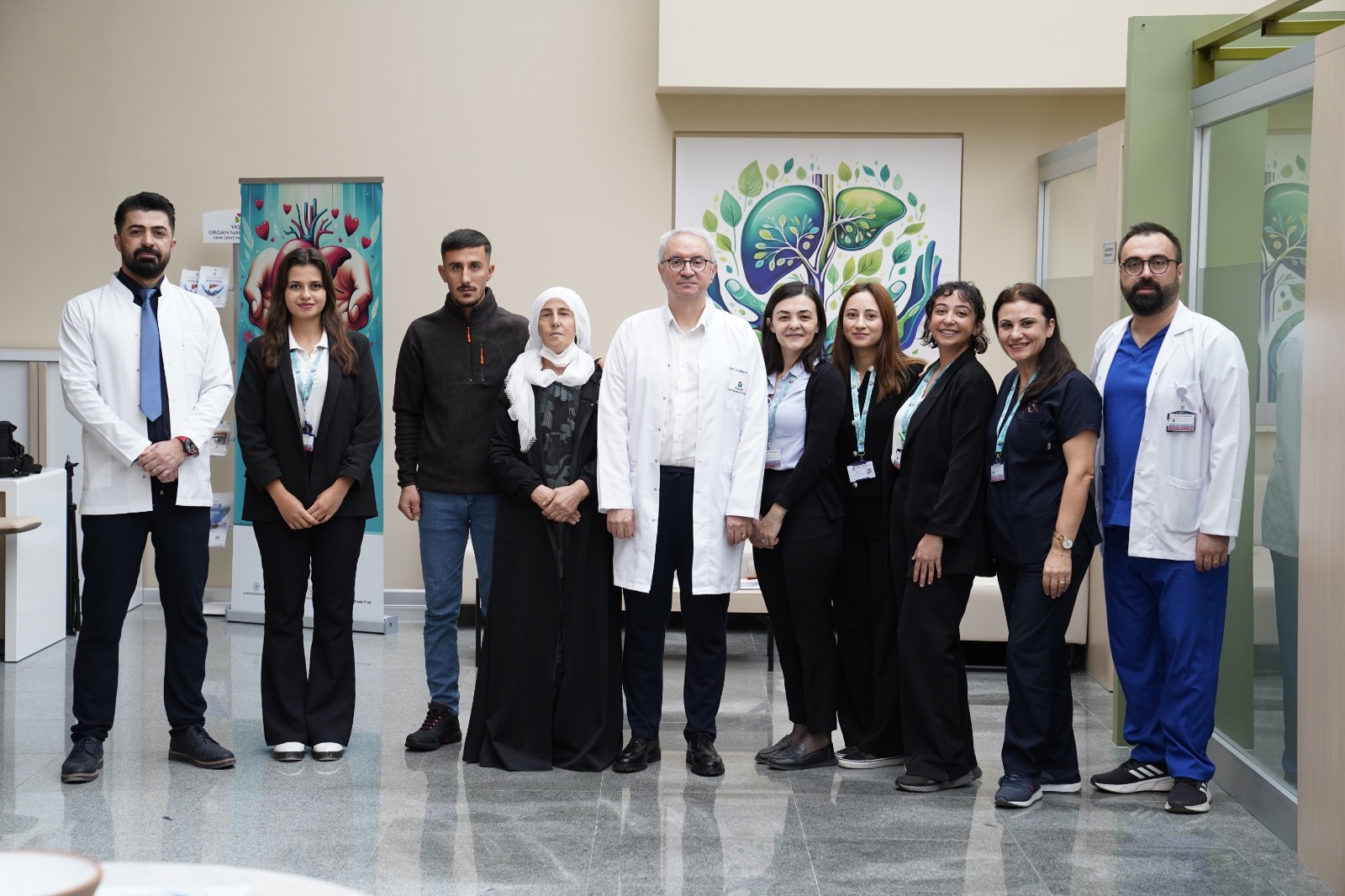
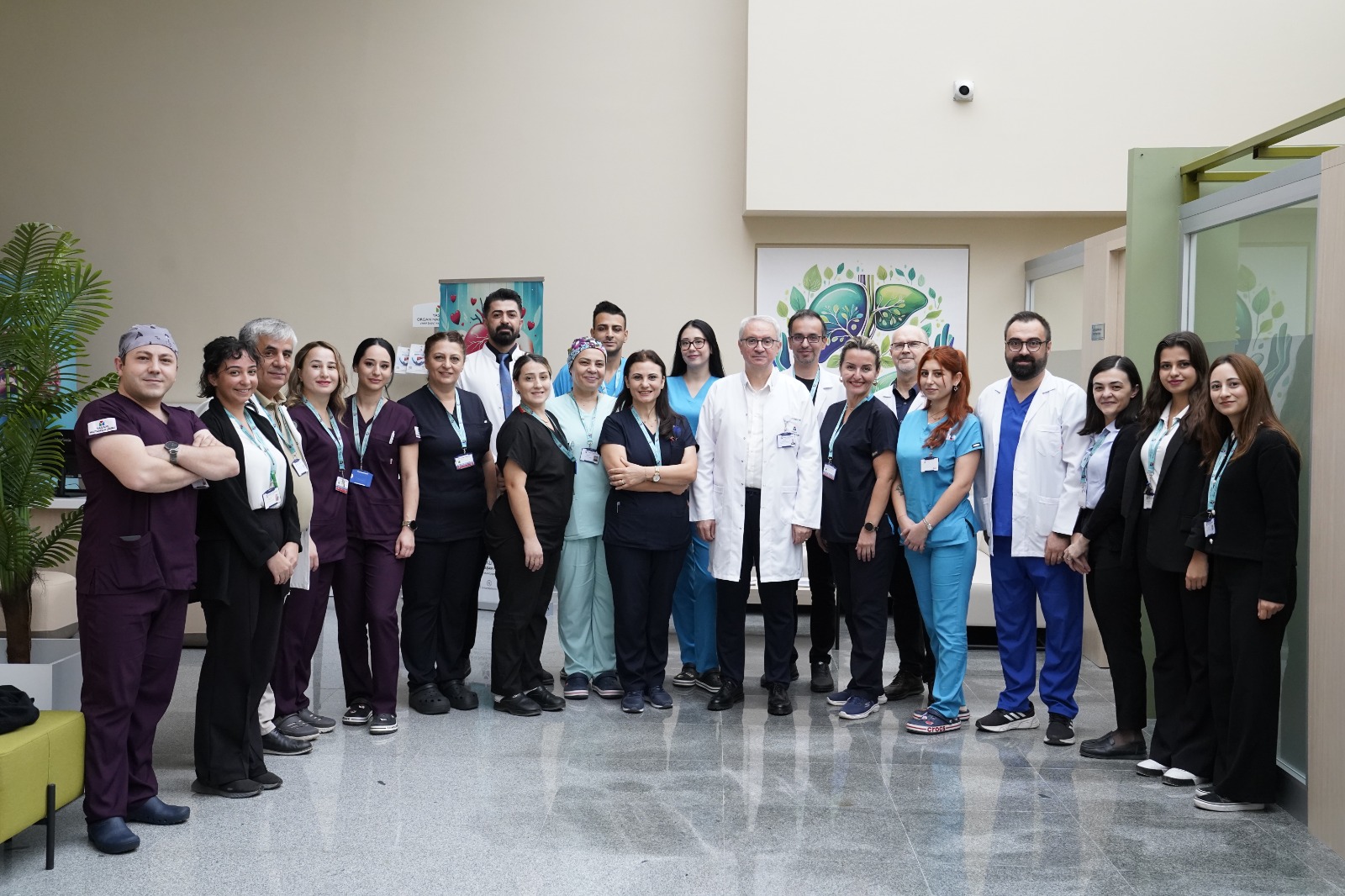
Our aim is to improve the quality of life of our patients by providing the highest quality healthcare services. Under the leadership of Prof. Dr. Aydınlı, together with other physicians who are experts in their fields, we perform organ transplantation processes safely and effectively using innovative surgical techniques.